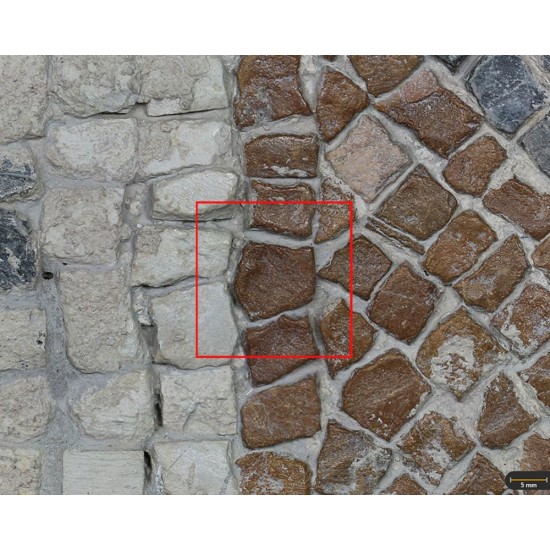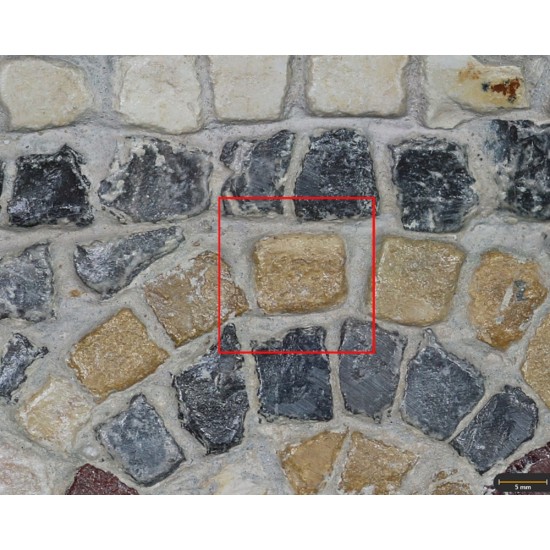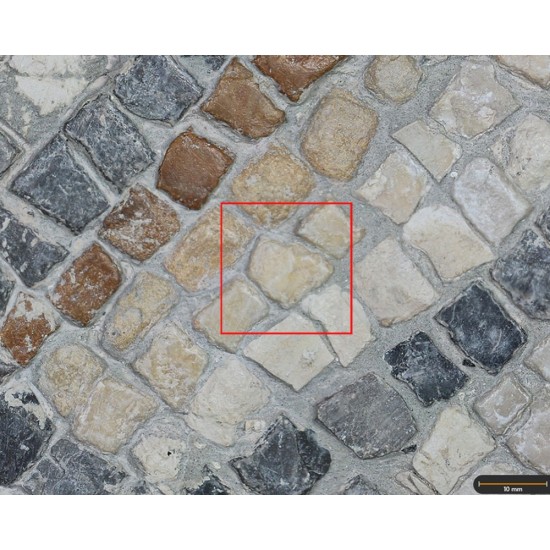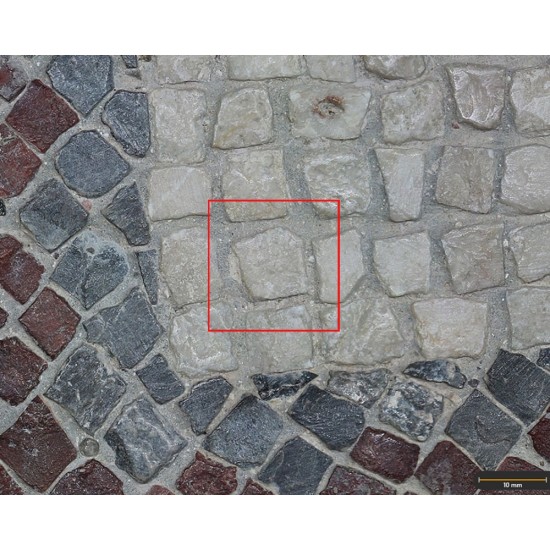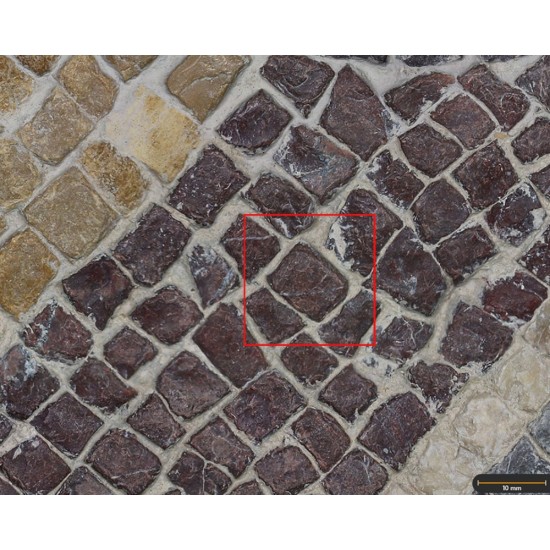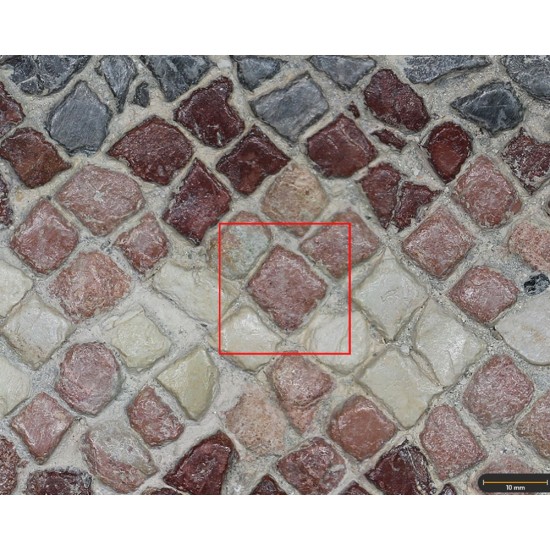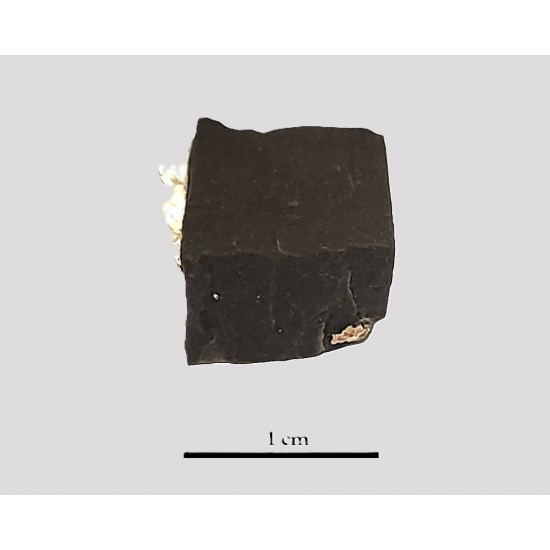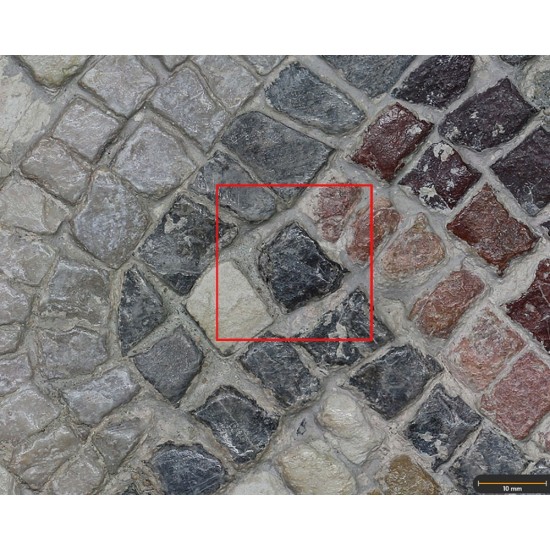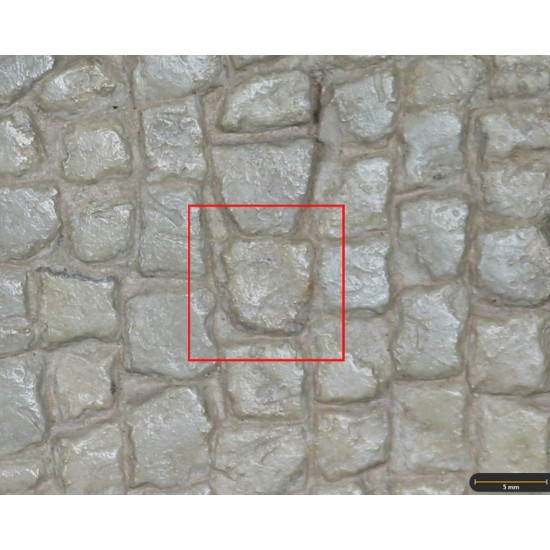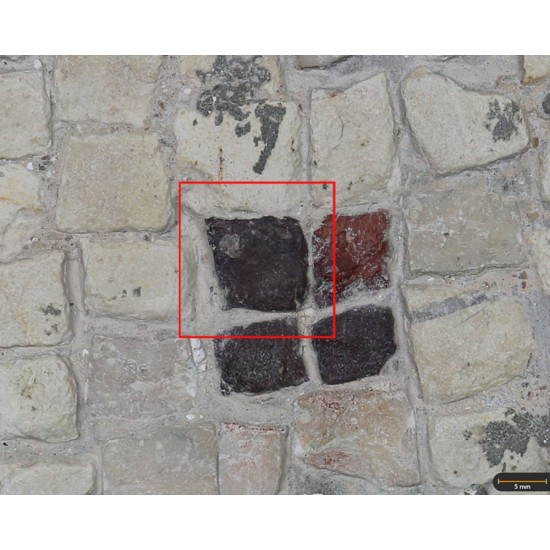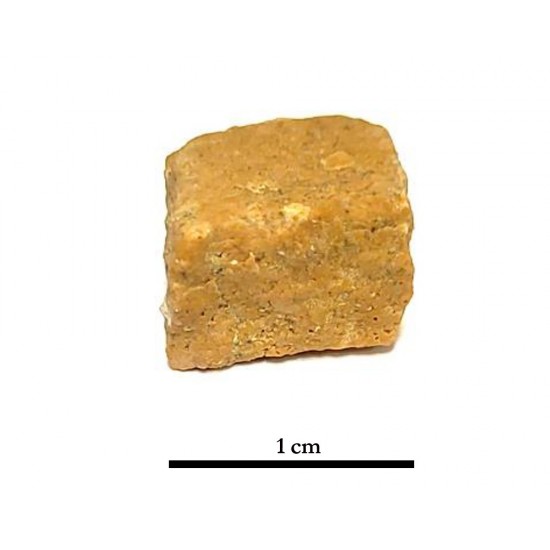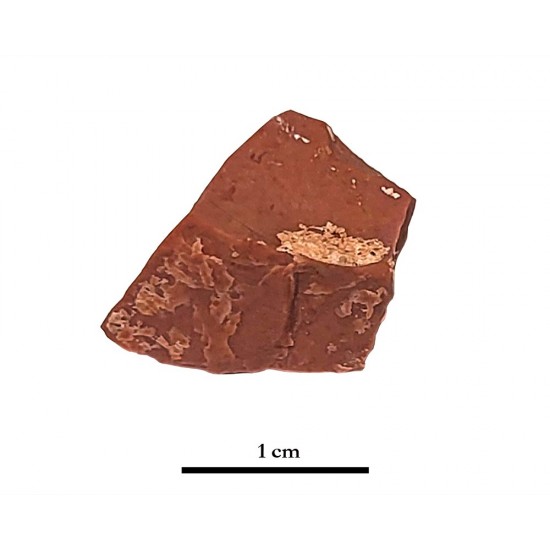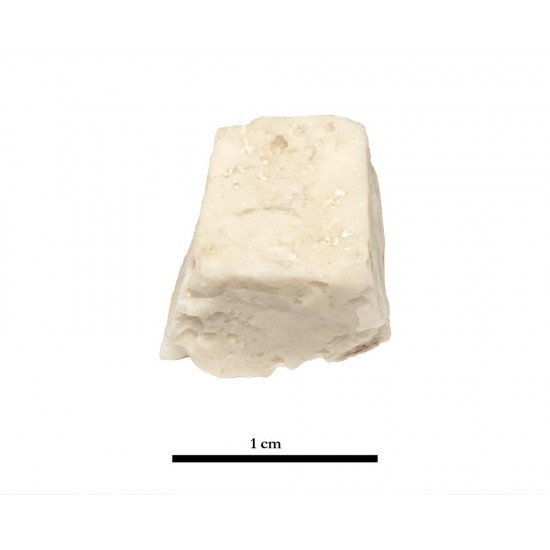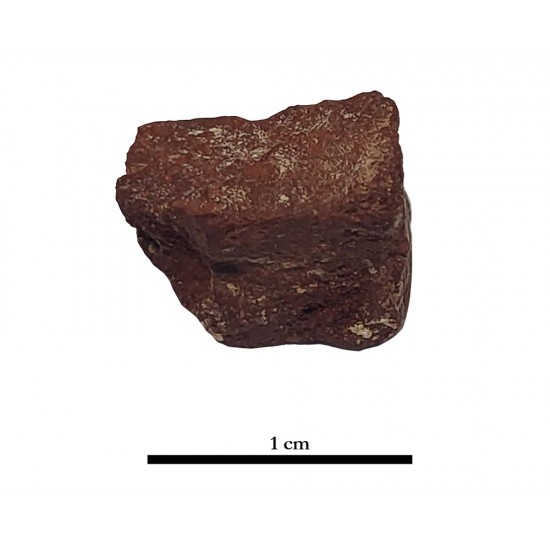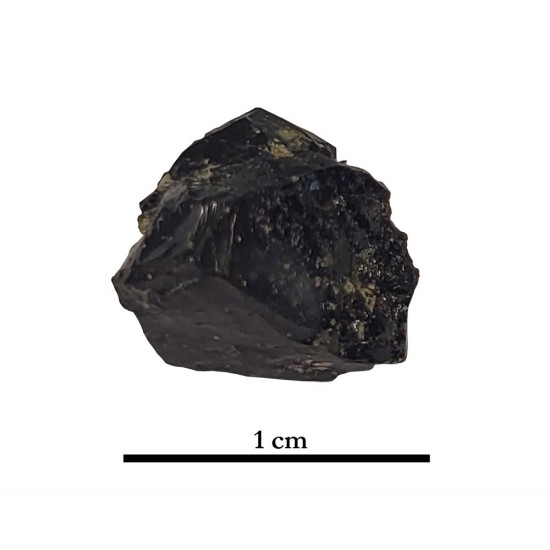
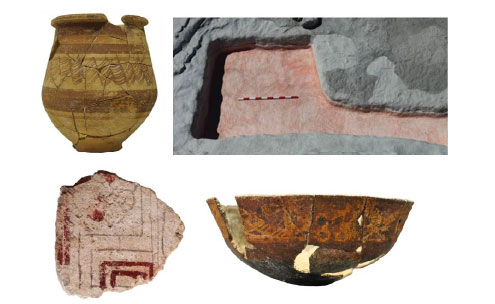
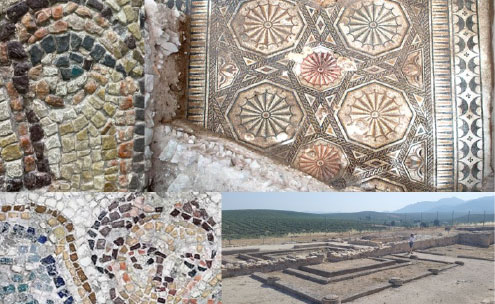



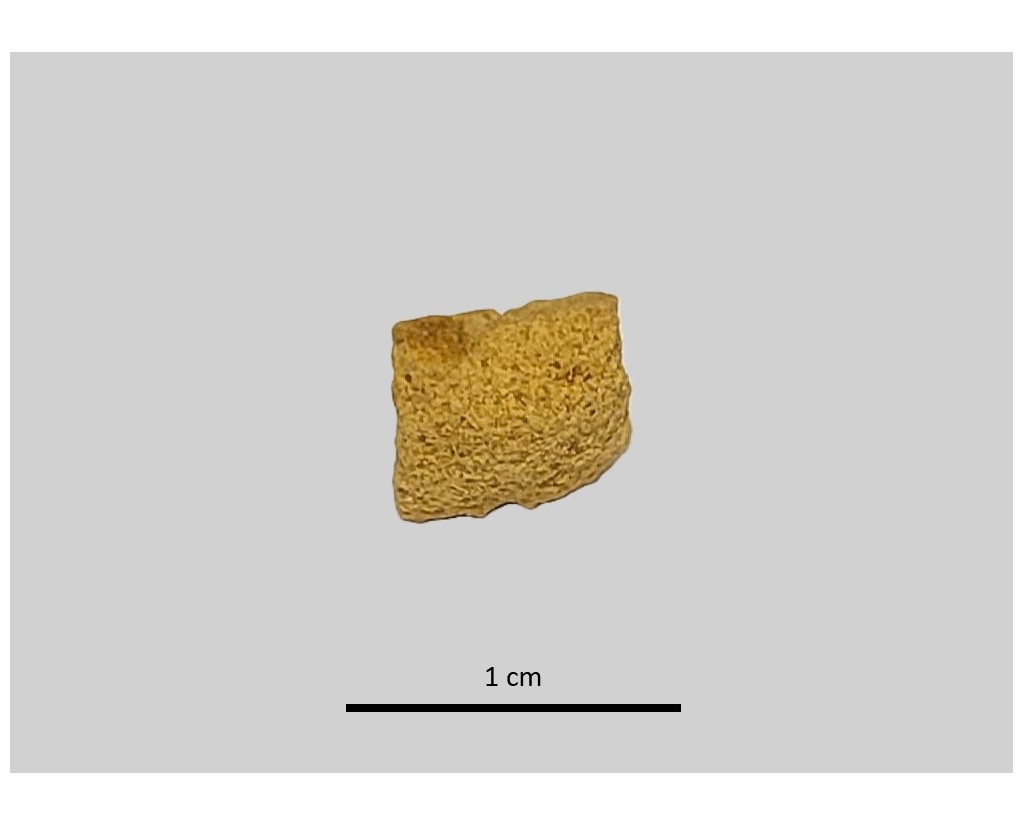

Tessera 3001-1. Villa de Bruñel (Quesada, Jaén, Spain)
Dimensions
: 0.8 Centimeters
: 0.8 Centimeters
: 0.75 Centimeters
Materials
Stone
Temporal
: Roman
: 3rd-4th century AD
Spatial
- : Villa de Bruñel
- : Quesada, Jaén, Spain
- : WGS84
Copyrights
Creative Commons - Attribution, Non-Commercial, No Derivatives (BY-NC-ND)
References
Digital Resources
-
 IUIAI-UJA
Creative Commons - Attribution, Non-Commercial, No Derivatives (BY-NC-ND)
Arquiberlab
http://creativecommons.org/licenses/by-nc-nd/3.0/
[ver más...] [ver menos] -
 IUIAI-UJA
Creative Commons - Attribution, Non-Commercial, No Derivatives (BY-NC-ND)
Arquiberlab
http://creativecommons.org/licenses/by-nc-nd/3.0/
[ver más...] [ver menos] -
 IUIAI-UJA
Creative Commons - Attribution, Non-Commercial, No Derivatives (BY-NC-ND)
Arquiberlab
http://creativecommons.org/licenses/by-nc-nd/3.0/
[ver más...] [ver menos] -
 IUIAI-UJA
Creative Commons - Attribution, Non-Commercial, No Derivatives (BY-NC-ND)
Arquiberlab
http://creativecommons.org/licenses/by-nc-nd/3.0/
[ver más...] [ver menos] -
IUIAI-UJA
Creative Commons - Attribution, Non-Commercial, No Derivatives (BY-NC-ND)
Arquiberlab
http://creativecommons.org/licenses/by-nc-nd/3.0/
[ver más...] [ver menos] -
 IUIAI-UJA
Creative Commons - Attribution, Non-Commercial, No Derivatives (BY-NC-ND)
Arquiberlab
http://creativecommons.org/licenses/by-nc-nd/3.0/
[ver más...] [ver menos]
Activities
University Research Center for Iberian Archaeology |
|
Raman Microscopy Mineralogical analysis The tessera was sectioned to expose fresh, unaltered cross-section Renishaw ‘in via’ Qontor Spectrometer coupled with a confocal Leica DM LM microscope (CICT, University of Jaén), equipped with a diode laser (785 nm, 300 mW), DPSS laser (532 nm, 50 mW) and a Peltier-cooled CCD detector, calibrated to the 520.5 cm-1 line of silicon. |
|
X-Ray Fluorescence Elemental analysis The tessera was sectioned to expose fresh, unaltered cross-section Espectrómetro de fluorescencia de rayos X de energía dispersiva EDAX (modelo Eagle III)( CITI, Universidad de Sevilla). Está equipado con un tubo de rayos X microfocus con un ánodo de Rh, una lente policapilar para enfoque de rayos X y un detector de energía dispersiva Si-(Li) de 80mm2. La cámara de medida incorpora una bandeja motorizada para el posicionamiento de la muestra. Microscopio de alta resolución para posicionar la muestra a la distancia adecuada. Cámara con bomba de vacío para elementos de bajo número atómico (Z). Para un tamaño del área de medida de 300 μm se selecciona en el tubo de rayos X un voltaje de 40kV. La intensidad de corriente del tubo se adapta a cada muestra para optimizar la detección de los rayos X. |
|
Petrographic analysis Visual characterization (5X handheld magnifying glass) and reaction with HCl to determine its carbonate nature Leica DM4P polarization microscope equipped with a Leica DFC450C camera. |